LG Dryer Repair in Oxnard, CA
Airtexno diagnoses LG dryer error codes and no-heat faults in Oxnard homes, with a written quote before repair and same-day availability in most cases.
LG dryer diagnostics and repair
Serving Oxnard and the surrounding area
Same-day availability in most cases
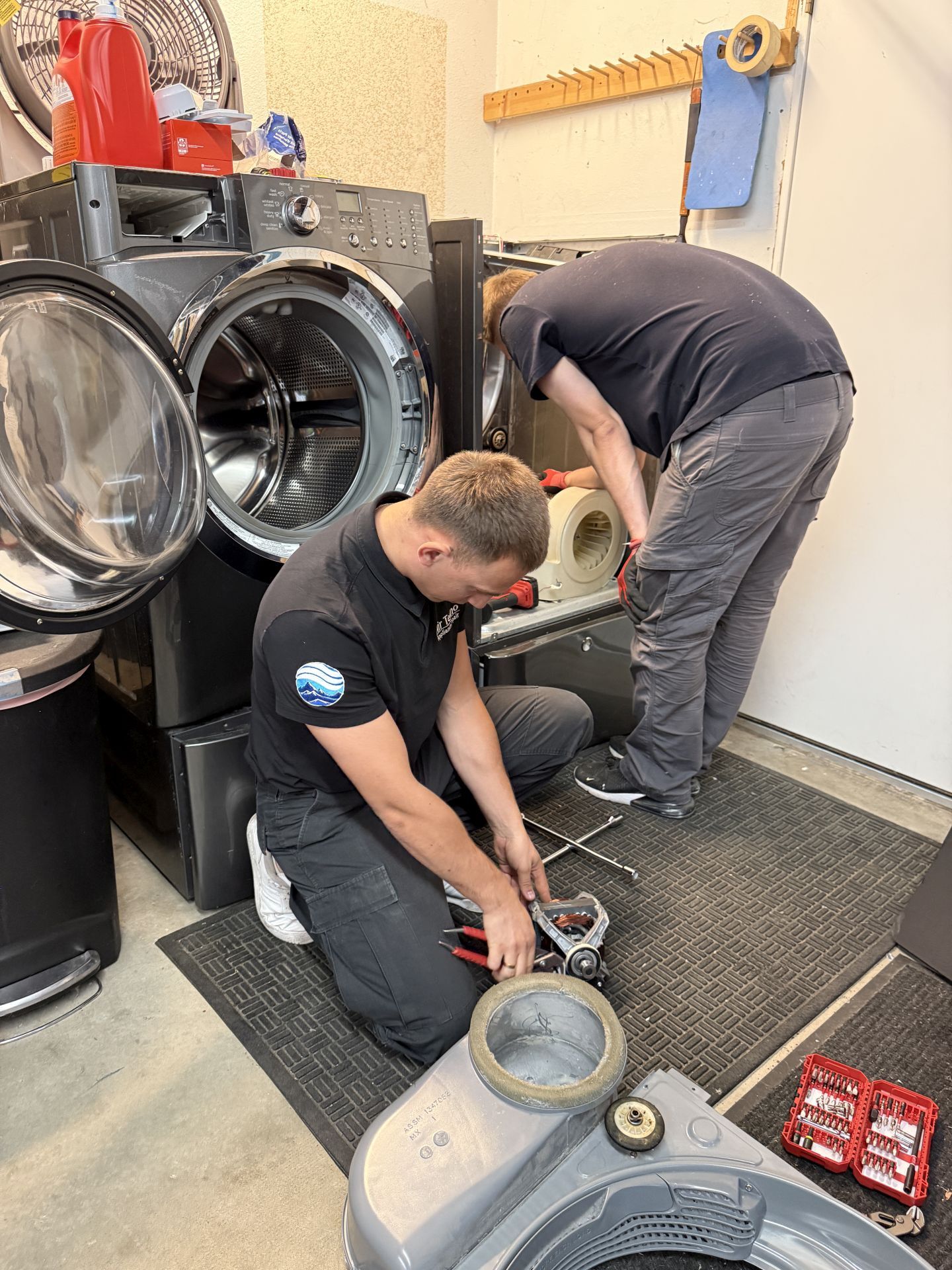
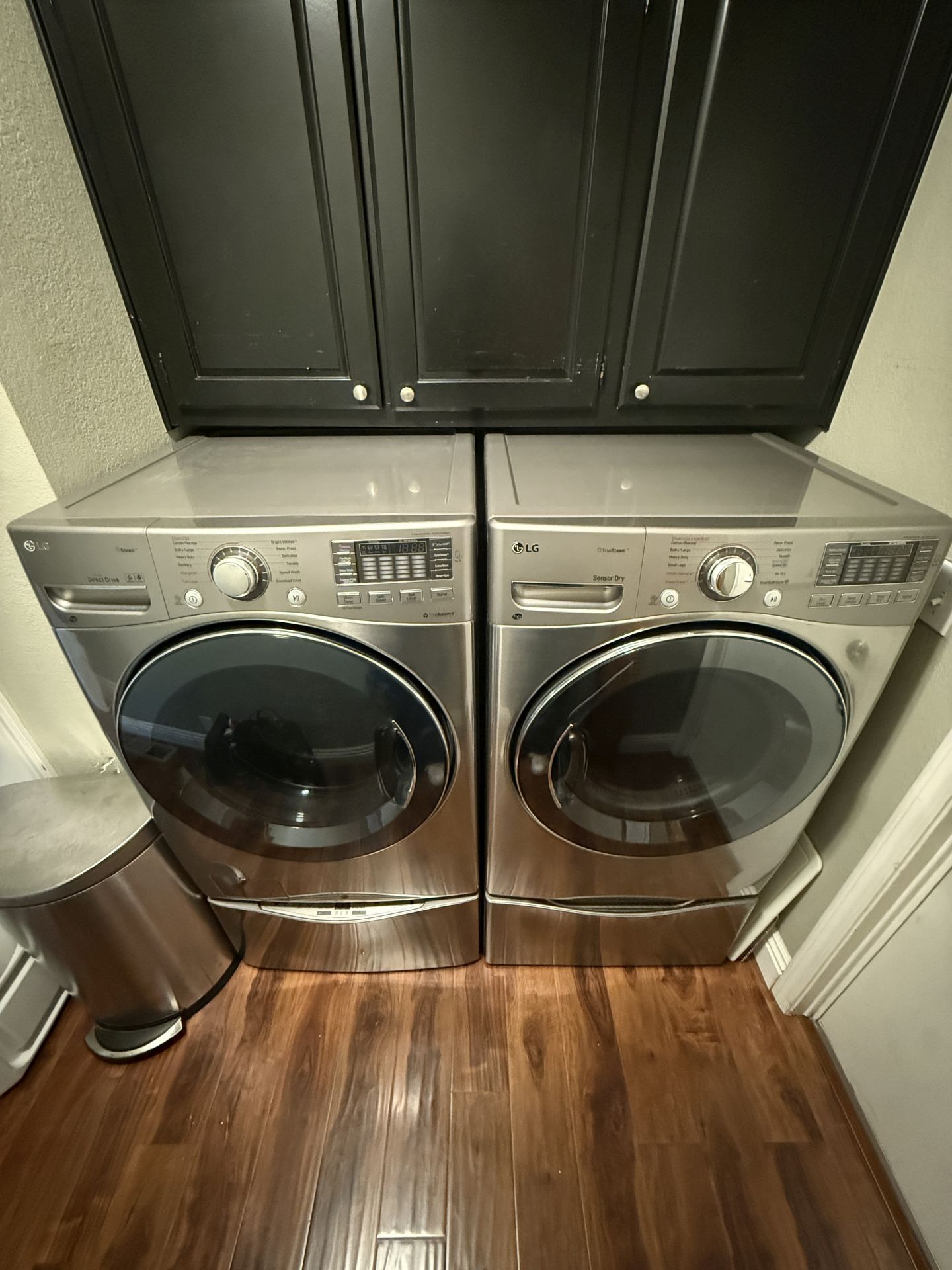
Quality Service for Major & Luxury Brands































Airtexno diagnoses LG dryer error codes and no-heat faults in Oxnard homes, with a written quote before repair and same-day availability in most cases.
Last updated October 2026
A dryer that stops mid-cycle and flashes an error code almost always means one of two things on an LG unit: a blocked vent, or a failed part behind the drum. The code alone won't say which one. That takes an actual diagnostic. Airtexno checks LG dryers throughout Oxnard, writes up the exact fix before starting any repair, and reaches most homes same-day or next-day. Oxnard is the largest city in Ventura County, and the LG units here range from stacked closet dryers in RiverPark's newer town-home developments to standard side-by-side setups in Seabridge and the established blocks further inland. Homes near the Harbor area deal with a coastal dampness that mainstream dryers usually handle fine, but it still shows up as slower drying times and moisture sensor readings that don't match what's actually sitting in the drum. LG's control boards report faults through a fairly detailed code system, so owners often call already knowing the code and just want to know what part it's pointing to.
Laundry rooms in Seabridge and RiverPark tend to be small closets built into the house plan, with the dryer stacked over the washer or tucked behind a bifold door. That layout limits how much room a technician has to pull the unit and get a light behind it. It also means the vent run is often short and tight to the wall, which is worth checking first when a flow error shows up. Coastal air near the Harbor area carries more moisture and salt than inland spots like Camarillo or Moorpark, and while it isn't the aggressive corrosion problem it is for an outdoor condenser coil, it does add to the humidity a dryer's moisture sensor has to work against. Older housing stock elsewhere in Oxnard often has the dryer in a garage or a detached laundry room, which usually means more space to work but a longer duct run that collects lint faster. Getting to Oxnard from the Newbury Park base means a run down the 101 corridor, sometimes routed through Camarillo, so scheduling accounts for that drive time rather than promising a fixed arrival window.
Common Dryer Issues in Oxnard
Clothes come out cold even though the drum keeps turning
This is the most common complaint on LG electric dryers, and it almost always traces back to the heating element or the thermal fuse mounted next to it. The element itself can burn through after enough cycles, or the thermal fuse trips as a safety measure and cuts power to the heater while leaving the motor running, so the drum still turns and the timer still counts down. From the laundry room it looks like the dryer is working, since it tumbles and runs its full time. The fix starts with confirming which of the two failed, because a blown fuse with a good element is a different repair than swapping the heating element itself. Either part is straightforward to source on a standard LG electric unit.
An airflow or flow-restriction code stops the cycle
LG dryers are quick to flag restricted airflow, and the code on the display usually means the machine sensed poor exhaust rather than a broken part. On a home with a long duct run, like some of the detached laundry setups on the older side of Oxnard, lint buildup inside the vent is the usual cause, and clearing it solves the code without opening the dryer at all. Sometimes the restriction is real but the code keeps returning after the vent's been cleared, which points to a failed flow sensor near the exhaust duct or a duct that's crushed somewhere behind the wall. Diagnosis starts with checking the vent path itself, since replacing a sensor that was reading correctly all along won't fix a genuinely blocked duct.
Cycles end too early with the load still damp, or run on and on
LG dryers use a moisture sensor bar inside the drum to decide when the load is dry. It's a small metal strip the clothes brush against as they tumble. Lint or fabric softener residue builds up on that strip over time and stops it from reading moisture accurately, so the dryer either calls the load done while it's still damp or keeps running well past when it should have shut off. Coastal humidity near the Harbor area doesn't cause this fault on its own, but it does mean the sensor has slightly more moisture to work against, which can make a dirty sensor bar act up sooner than it would inland. Cleaning the strip fixes a lot of these calls; a sensor that still misreads after that needs replacing.
Squealing, thumping, or a drum that won't turn, and the access it takes to fix
A worn drum roller or idler pulley usually announces itself with a squeal that gets worse as the dryer heats up, while a snapped belt tends to go quiet and stop the drum from turning at all even though the motor still runs. On a stacked unit in a Seabridge or RiverPark laundry closet, reaching those parts means pulling the dryer forward, taking off the front panel, and sliding the drum out, all in a space that wasn't built with much extra room around it. Getting the reassembly right matters as much as replacing the worn part. A drum set back in slightly crooked, or a belt routed around the wrong side of the idler, will squeal or slip again within weeks. That's part of why this repair takes longer in a tight closet install than in a garage with open space on every side.
When it's worth fixing a LG dryer instead of replacing it
LG dryers are generally worth repairing. Most faults, including a bad heating element, a failed drive motor, or a control board that's stopped responding, cost less to fix than a new dryer costs to buy and install. A repair like this here falls into a general market range depending on the part and the labor involved, but call for an exact quote once the diagnostic identifies the actual failure. Replacement starts making more sense once the drum, motor, and electronics all show wear together, or on a much older unit where a part is getting harder to source. Regular maintenance, cleaning the lint trap after every load and clearing the vent duct once or twice a year, prevents most of the airflow and sensor faults on this list.
Frequently Asked Questions
Oxnard sits at the western edge of the coverage area, reached from the Newbury Park base along the 101, often routed through Camarillo. It's a longer drive than Thousand Oaks or Newbury Park itself, but it's covered on the regular schedule, not as a special trip. RiverPark and Seabridge on the north side are typically the quickest parts of the city to reach. Jobs near the Harbor area add a bit more drive time, but same-day availability in most cases still applies, with next-day slots when the schedule is full. Call (805) 500-2705 to check what's open today.
Cost depends on which part failed. A thermal fuse or heating element swap is typically one of the less expensive dryer repairs, while a control board or drive motor replacement costs more because the part itself is pricier. A repair like this here falls into a general market range depending on the part and the access involved, but that's not a quote for your specific unit, call for an exact quote after the diagnostic. OEM parts for LG dryers usually cost a bit more than an aftermarket substitute, and that gets factored into the written price before work starts.
LG is a mainstream brand, so common replacement parts, a heating element, a belt, a control board, are generally available without a long wait. We use OEM parts rather than aftermarket substitutes, since a generic part can fit but wear out faster or trip the same fault again soon after. That also matters for the workmanship warranty on the repair, which applies to the fix itself. On a stacked or closet-mounted unit especially, it's worth doing the job once with the right part instead of pulling the dryer apart twice.
A dryer that hums but the drum doesn't turn usually means the motor is getting power but can't start, or the belt has come off or snapped and the motor is spinning free with nothing to turn. The hum itself often comes from the start winding inside the motor trying and failing to kick the drum over. Diagnosis starts by checking whether the belt is intact and properly seated before assuming the motor is bad, since a dead motor and a slipped belt sound almost identical from outside the dryer. If the belt is fine, the motor and its start circuit get tested directly.
For most faults, yes. LG dryers are built to last, and a heating element, motor, or control board replacement is a fraction of what a new unit costs once delivery and hookup get added in. Replacement starts to make more sense on an older unit where several systems are failing at once, or where a part is genuinely hard to source. On a stacked or built-in installation, swapping the entire dryer also means matching the new unit's dimensions to the existing closet or cabinetry space, which isn't always a simple swap.
Yes. Oxnard sits between Camarillo and Ventura along the coast, and both are part of the regular coverage area, along with neighboring communities on that stretch of Ventura County. Jobs get scheduled along the corridor rather than one city at a time, so a technician working in Camarillo one day can often reach Oxnard the same day. Same-day availability in most cases applies across that whole stretch, with next-day slots when the day fills up. Call (805) 500-2705 to get on the schedule.